




We’ve already discussed many different ways to improve your curb appeal such as using window boxes and wreaths, updating your doors and entryways, tidying up the exterior and garage as well as the often overlooked mailboxes, hardware, lights, home numbers and exterior paint job). In this part 3 we’ll learn how to upgrade your siding, shutters and accent trim and how to accessorize your home’s exterior with stone. Alongside all else we’ve talked about , these can also do wonders for upgrading your home!
Adding/Renewing Siding, Shutters and Accent Trim
Siding
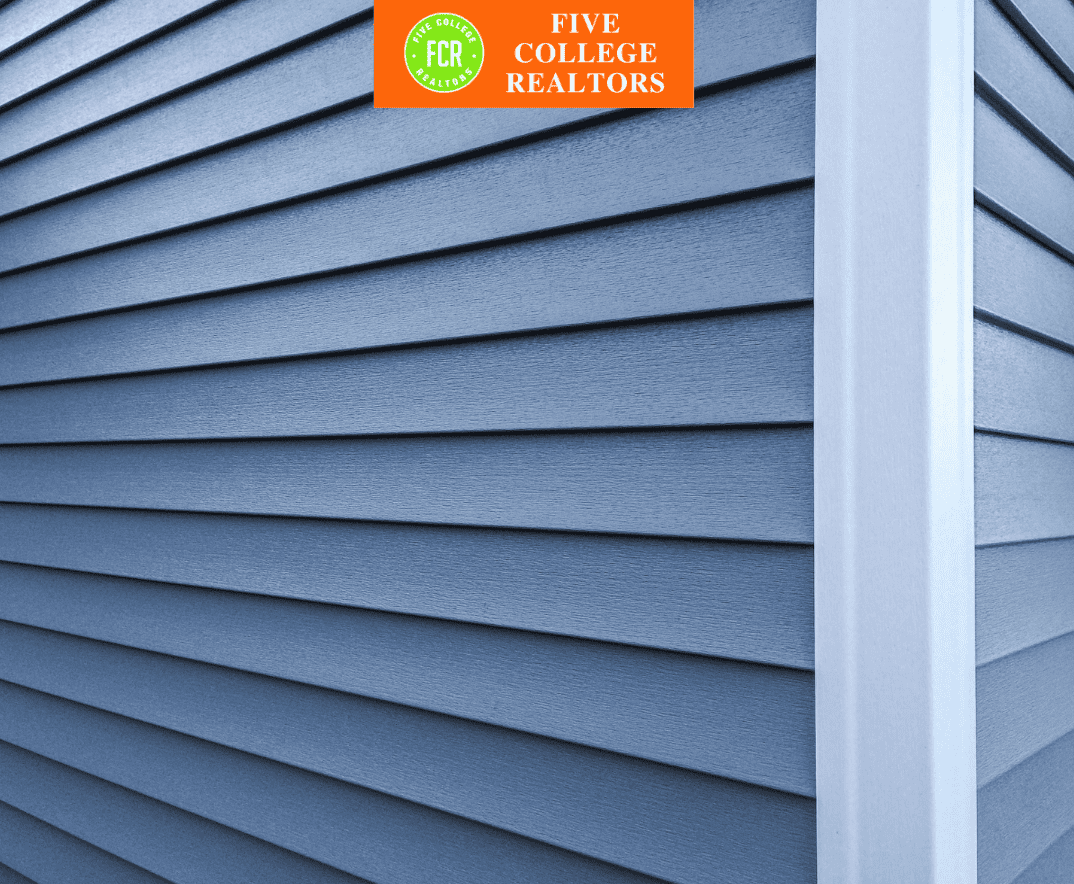
Whether due to damage or deterioration, upgrading the siding of your home can not only improve its overall look, but change it. Take time considering which material would work best for your home, and check if your HOA prohibits any materials or colors.
Vinyl is a plastic material that comes in various qualities. It’s affordable and lasts a long time, but is susceptible to warping, bending, cracking, and fading.
Composite board is recycled wood mixed with adhesives. It is environmentally friendly, easily found in a variety of colors, and resistant to insects and rot. However, composite must be regularly repainted about every four years. The material is further combustible and susceptible to breakage from water absorption.
Fiber Cement is made of silica, cement, and cardboard and is durable, fire resistant, and hail resistant. It lasts over time and comes in a huge array of color choices. The downside is that this material is heavy, and therefore timely and expensive to install.
Cedar is beautiful and easy to replace, but expensive and high-maintenance. It is highly susceptible to moisture, rot, insect rodent and woodpecker issues.
You may even use decorative elements such as shake-style shingles, fake stone, decorative columns, scallops as well as even more unique and additional accessories. Once you begin accessorizing small parts of your home - such as the water spigots and lights- you’ll get more creative with it, and get more ideas as you go.
Shutters
.png)
The addition or renovation of your shutters is an easy upgrade to your home’s entire aesthetic, and there are many types to choose from:
Louvered styled shutters are fixed to the side of the window and angled to allow light and breezes to pass through. They are often paired with traditional homes: Colonial, Victorian, Italianate.
Raised Pane shutters are a simple design, commonly found in country-cottage style homes, and resemble the look of doors or cabinets.
Board & Batten shutters feature boards held together by a cross panel (or batten). They are simple and work well on brick, stone, and/or farmhouses.
Flat Panel shutters, or shaker shutters, have flat and solid panels that are great for blocking out light, often seen decorating country-cottage and modern homes.
When deciding which material to use, consider preferred size, style, longevity and security/protection features.
Using vinyl is affordable, lightweight, moisture-resistant and requires low maintenance. They are also resistant to weather factors. As they look plastic, you can decide whether or not to use a wood-grain finish to create the appearance of actual wood.
Wood is classic and elegant, pairing well with a traditionally styled home. Their dimensions can further be trimmed and altered for uniqueness. However, they require yearly sealing in order to resist natural aging.
Composite, or faux, wood has the appearance and feel of wood, but is made from synthetic materials. Therefore while it adds similar likeliness to a home, it needs much less maintenance. Because of its durability and stiffness, it is good for taller or wider shutters and comes in a variety of styles.
There even exists decorative hardware for your shutters - such as hinges and hooks. While this definitely isn’t necessary, there’s nothing wrong with having fun with designing your home’s exterior!
Accent Trim
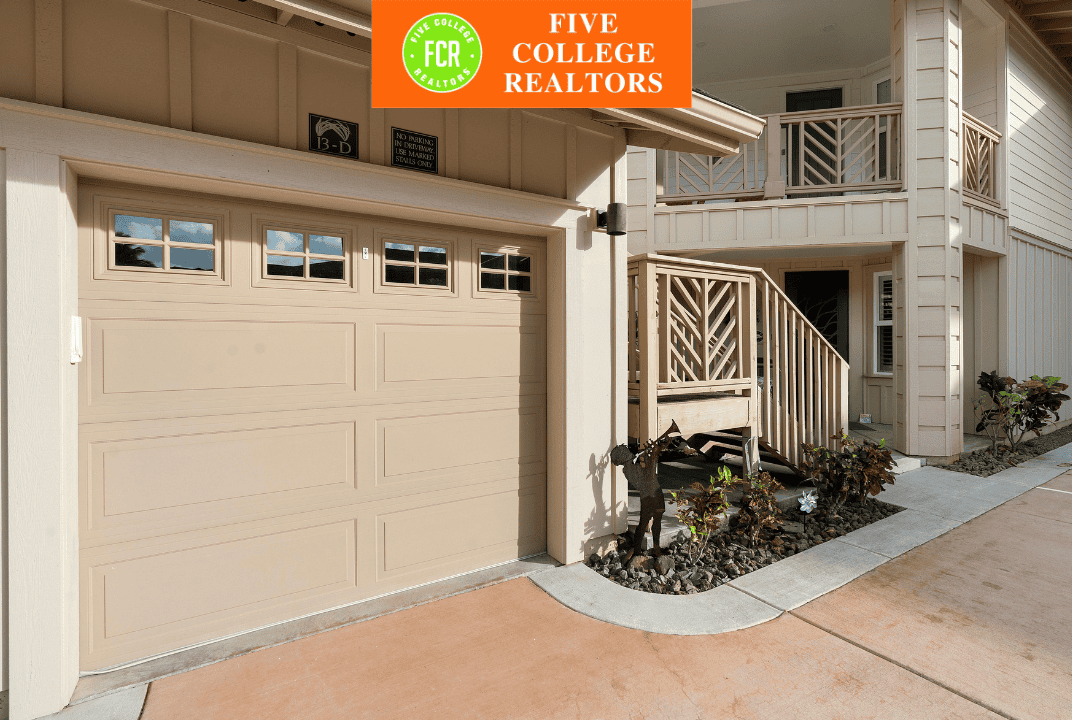
A nice trim can keep a home from feeling incomplete while also being functional. Some things to consider:
· Be bold with the color!
No one ever said it had to be white- decide between different colors to see which speaks best to you and your home.
· A shiplap porch ceiling
Commonly an indoor feature, this can be a great addition to the exterior of your home as a statement piece.
· Creating a custom design with corbels
Corbels, or gable brackets, are a unique trim decoration.
· The garage trim
Often neglected, don’t forget this! Match the garage trim to the home’s trim, or choose a color for contrast.
· Black soffit
Often white soffit is used for overhangs, eaves, and porches. Black soffit can be a unique and modern addition to your home that gives it a more sophisticated look.
· Tapered column wraps
Designed for durability, and either in traditional or craftsman style, these can be painted to match your home’s trim and is an easy ready-to-assemble addition to your home.
Stone Features
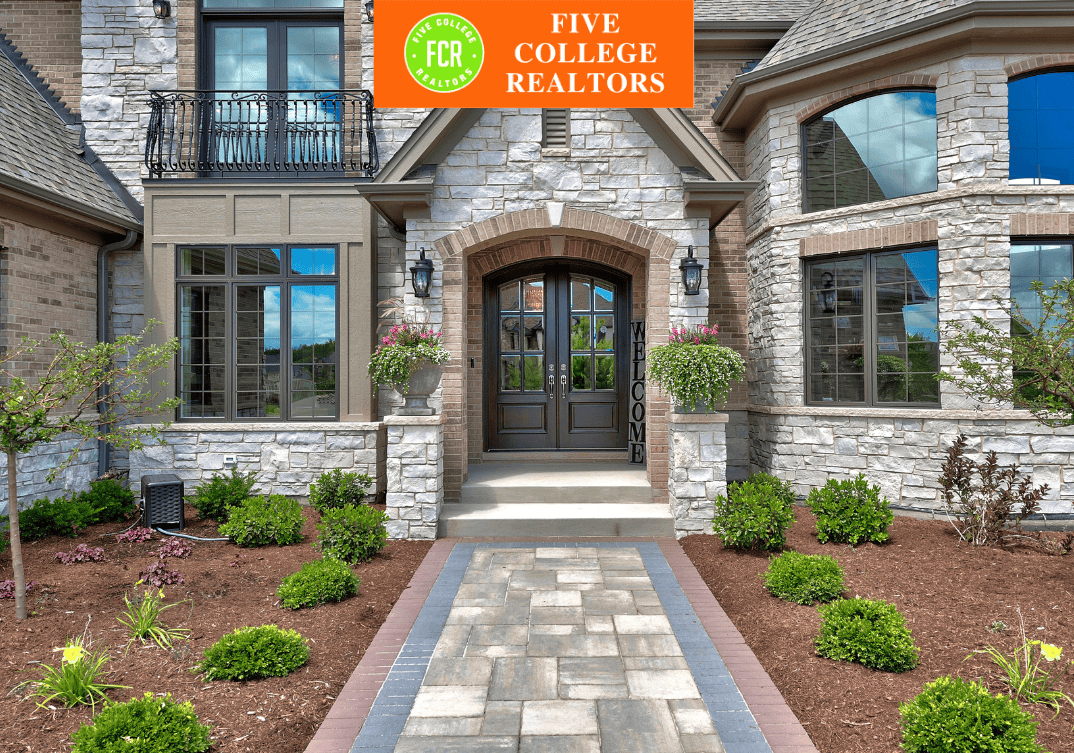
Because of its timelessness, adding stone, or faux stone to masonry details on your home is an easy and elegant way to improve your curb appeal...
Natural stones like limestone, granite, and sandstone are durable and timeless, while manufactured stone veneers come in a multitude of styles and are a cheaper option.
Marble is striking in its modern allure, and though common indoors can be used outdoors. It varies in its colors and veining patterns.
Slate gives a home rustic charm and texture, and some are resistant to staining and seasonal damage.
Quartzite is low maintenance, long-lasting, and conveys a contemporary beauty, even when paired with a modern home.
Fieldstone is durable and ages gracefully. It compliments its surrounding nature with its unrefined and romantic appearance.
Cobblestone gives an old-world charm and can withstand heavy natural elements. Their texture creates traction, so it may be chosen as the material for a walkway or driveway for safety purposes.
Travertine is a unique texture that is common in Mediterranean architecture. It has earthly hues and grows even more beautiful with time.
Combining bricks and stones is a unique strategy, though it has been done successfully before. The combination not only reinforces the home and its resilience, but adds depth to a home.
When deciding whether or not to add stone to the exterior of your home, think of the home’s architectural style, the surrounding climate, necessary maintenance and your budget.
Use these tips and tricks for the cherry-on-top to your home’s exterior upgrades!